Whole Eggs vs. Egg Whites vs. Cottage Cheese: Best High-Protein Breakfast for Fat Loss?
Uncover the ultimate high-protein breakfast for fat loss by comparing whole eggs, egg whites, and cottage cheese. This detailed guide breaks down their nutritional benefits, satiety levels, and how each fits into a successful fat loss strategy.
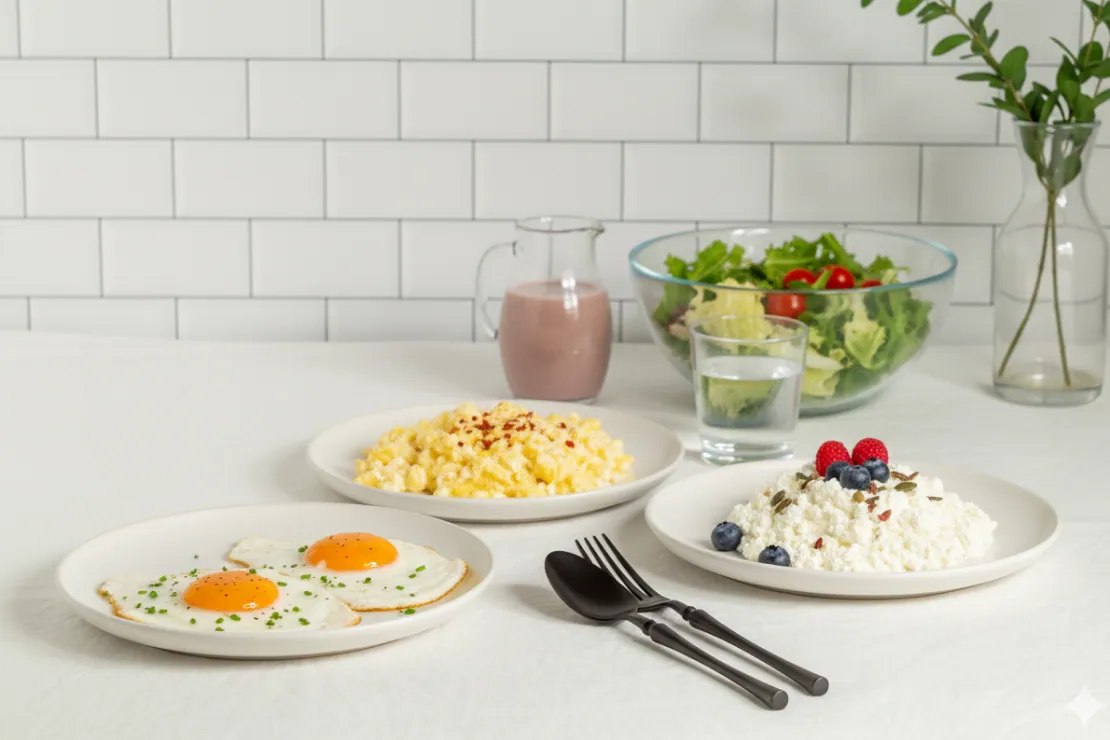
Table of Content
Introduction
When the goal is fat loss, a high-protein breakfast is often hailed as the cornerstone of a successful diet. Protein not only helps preserve muscle mass during a calorie deficit but also promotes satiety, keeping hunger at bay throughout the morning. It's one of the most consistent findings across nutrition research: prioritizing protein earlier in the day tends to reduce overall snacking and support better appetite control later on. But with several excellent protein sources available, which one truly stands out as the best for kickstarting your fat loss journey?
This comprehensive guide dives into a head-to-head comparison of three popular high-protein breakfast options: whole eggs, egg whites, and cottage cheese. We'll dissect their nutritional profiles, explore their unique benefits for fat loss, and help you determine which option best aligns with your dietary needs and preferences.
Understanding the nuances of each will empower you to make informed choices that accelerate your progress towards a leaner, healthier you.
Comparison Overview
| Nutrient per serving | 2 Whole Eggs | 2 Egg Whites | 1/2 Cottage Cheese |
|---|---|---|---|
| Calories | 140 kcal | 34 kcal | 80 kcal |
| Protein | 12g | 7g | 14g |
| Fat (Total) | 10g | 0g | 1g |
| Saturated Fat | 3.5g | 0g | 0.5g |
| Carbohydrates | 1g | 0g | 3g |
| Cholesterol | 372mg | 0mg | 5mg |
| Vitamin D | High | Low | Low |
| Vitamin B12 | High | Low | Moderate |
| Choline | High | Low | Low |
| Calcium | Low | Low | High |
Evaluation Criteria
- Protein Content & Quality: How much protein per serving and its amino acid profile.
- Satiety Factor: How well each option keeps you full and reduces cravings.
- Calorie Density: The calorie count relative to serving size, crucial for fat loss.
- Micronutrient Profile: Essential vitamins and minerals provided.
- Versatility & Ease of Preparation: How easily it can be incorporated into various meals and its cooking time.
- Cost-Effectiveness: Affordability and accessibility.
Whole Eggs: The Nutrient Powerhouse
Overview
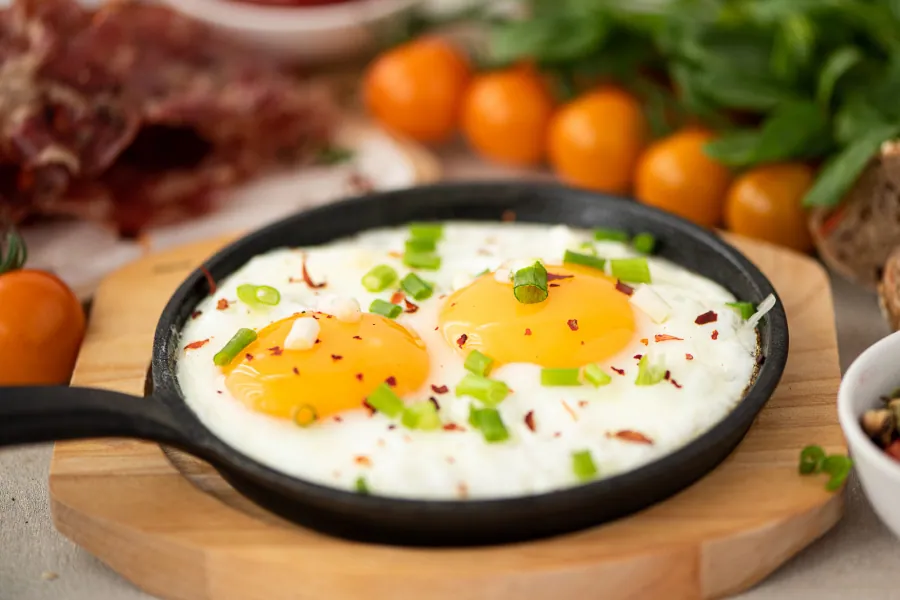
Whole eggs have long been a breakfast staple, prized for their complete protein and genuinely rich nutrient profile. Despite past concerns about cholesterol, modern science affirms that for most healthy individuals, dietary cholesterol from eggs has minimal impact on blood cholesterol levels. The yolk, often discarded by dieters trying to cut calories, is actually where the majority of beneficial vitamins and minerals reside, so skipping it means missing out on much of what makes eggs nutritionally distinctive in the first place.
Key Features
- Complete protein containing all nine essential amino acids
- Rich in Vitamin D, B12, choline, and selenium
- Contains healthy fats that promote lasting satiety
- Versatile in cooking: scrambled, fried, boiled, or poached
| Pros | Cons |
|---|---|
|
|
Use Cases
Balanced Breakfast for Sustained Energy
Ideal for starting the day with a mix of protein, healthy fats, and micronutrients that keep you full and energized through the morning.
- Pair with a serving of vegetables for extra fiber and micronutrients
- Cook with minimal added fats, such as a non-stick spray instead of butter or oil
- Enjoy as part of an omelet or frittata loaded with vegetables
Post-Workout Recovery
The complete protein and dense nutrient profile aid in muscle repair and recovery after exercise.
- Combine with a complex carbohydrate source like whole-grain toast or oats to replenish glycogen
- Quick and easy to prepare right after a gym session
- Hard-boiled eggs make a convenient grab-and-go option when time is short
Verdict
Whole eggs are an excellent choice for anyone who prioritizes a full spectrum of nutrients and sustained satiety, making them a highly effective component of a fat loss diet when portions are kept in check.
Egg Whites: Pure Protein Power
Overview
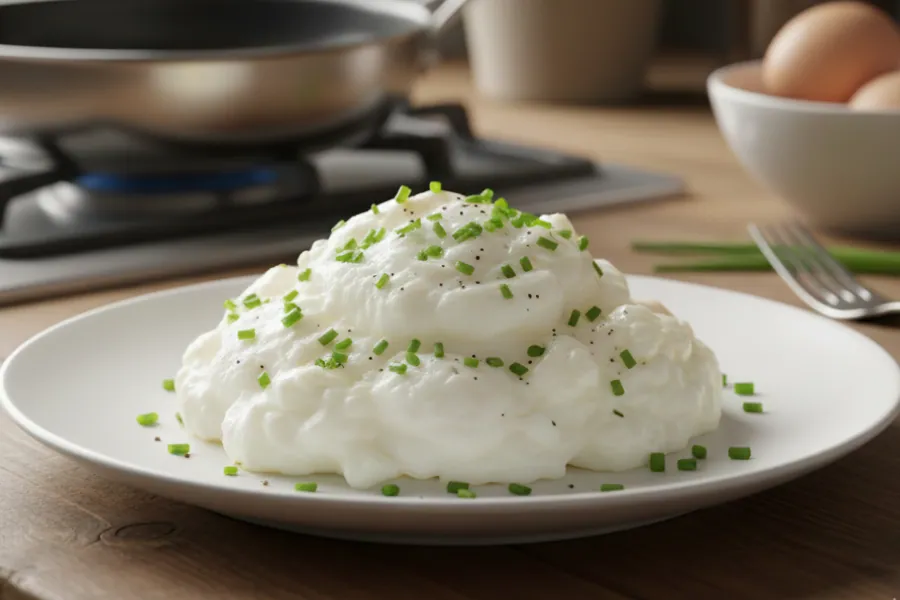
Egg whites are the go-to option for anyone looking to maximize protein intake while minimizing calories, fat, and cholesterol. They are essentially pure protein, making them a genuinely useful tool for fat loss and lean muscle development, especially when calorie targets are strict. This makes them particularly popular during the final weeks of a cutting phase, when every additional gram of fat or calorie needs to be accounted for.
Key Features
- Virtually fat-free and cholesterol-free
- High-quality protein source in the form of albumin
- Very low in calories relative to protein content
- Quick and easy to cook in any style
| Pros | Cons |
|---|---|
|
|
Use Cases
Strict Calorie Deficit
Perfect for creating a significant calorie deficit while still hitting adequate protein intake to preserve muscle mass.
- Combine with a small amount of whole egg for added flavor and a few extra nutrients
- Add plenty of vegetables to increase volume and fiber without extra calories
- Use in omelets, scrambles, or even baked goods
High-Volume Eating
Their low-calorie nature allows for larger portion sizes, which helps you feel genuinely full without overeating on calories.
- Make large egg white scrambles loaded with spinach and mushrooms
- Use in protein pancakes or waffles for a filling breakfast
- Whip into a meringue for a surprisingly low-calorie dessert
Verdict
Egg whites are the go-to choice for pure, lean protein with minimal calories, making them especially useful for aggressive fat loss strategies and for anyone with specific cholesterol or fat-intake restrictions.
Cottage Cheese: The Slow-Digesting Protein
Overview
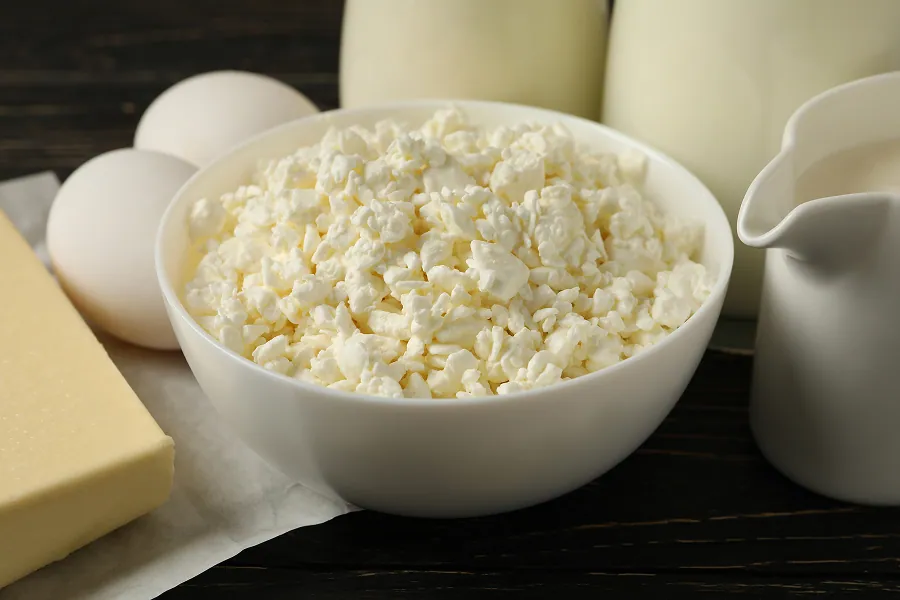
Cottage cheese is a dairy product renowned for its high protein content, particularly casein, which digests slowly compared to other protein sources. This slow digestion makes it an excellent choice for sustained satiety and muscle recovery, especially overnight or during longer stretches without food. Low-fat varieties are especially popular for fat loss, and its mild flavor makes it one of the easiest high-protein foods to fold into both sweet and savory meals without much preparation effort.
Key Features
- High in slow-digesting casein protein
- Good source of calcium and phosphorus
- Low in calories and fat, especially in low-fat versions
- Versatile enough to be eaten sweet or savory
| Pros | Cons |
|---|---|
|
|
Use Cases
Bedtime Snack for Muscle Recovery
The slow-digesting casein protein provides a steady release of amino acids overnight, ideal for muscle repair while you sleep.
- Choose low-sodium varieties when available
- Mix in a few berries or a sprinkle of cinnamon for natural flavor
- Avoid high-sugar additions that can offset its benefits
Quick & Convenient Protein Boost
A ready-to-eat option for a quick, reliable protein fix at any point in the day.
- Use as a base for savory bowls with chopped vegetables and spices
- Blend into smoothies for added creaminess and a protein boost
- Portion into small containers ahead of time for on-the-go snacks
Verdict
Cottage cheese is a fantastic option for sustained protein release, making it particularly effective for managing hunger and supporting muscle recovery, especially when eaten as a bedtime snack during a fat loss phase.
Summary
Choosing Your Best High-Protein Breakfast for Fat Loss
- Choose Whole Eggs if: You prioritize a complete nutrient profile, including healthy fats and essential vitamins, and your calorie budget has room for it. They offer excellent satiety per serving.
- Choose Egg Whites if: Your primary goal is maximizing protein intake while strictly minimizing calories, fat, and cholesterol — ideal for very lean cutting phases.
- Choose Cottage Cheese if: You need sustained satiety, especially between meals or as a bedtime snack, and appreciate its versatility alongside slow-digesting casein protein.
Ultimately, the "best" high-protein breakfast for fat loss is simply the one you can enjoy consistently while it fits your overall calorie and macronutrient targets. Rotating between these options can also broaden your nutrient intake and help prevent the dietary boredom that derails so many otherwise solid plans.
| Category | Best Option | Why? |
|---|---|---|
| Highest Protein per Calorie | Egg Whites | Virtually fat-free, offering pure protein for minimal calories. |
| Most Satiating | Whole Eggs / Cottage Cheese | Fat and micronutrients in whole eggs, and casein protein in cottage cheese, contribute to prolonged fullness. |
| Richest in Micronutrients | Whole Eggs | Contains essential vitamins (D, B12) and minerals (Choline, Selenium) found in the yolk. |
| Lowest in Fat & Cholesterol | Egg Whites | Ideal for those strictly limiting dietary fat and cholesterol intake. |
| Versatility & Convenience | Cottage Cheese | Ready-to-eat, easily mixed with fruits or savory ingredients, and great for meal prep. |
| Budget-Friendly | Whole Eggs / Egg Whites | Both are generally inexpensive and widely available. |
| Fat Loss Focus | Egg Whites / Cottage Cheese | Lower calorie and fat content makes them easier to fit into a calorie deficit while maximizing protein. |
Conclusion
Each of these high-protein breakfast options — whole eggs, egg whites, and cottage cheese — brings distinct advantages to a fat loss plan. Whole eggs deliver a nutrient-dense package with excellent satiety, egg whites offer pure protein at minimal calories, and cottage cheese provides sustained fullness through its slow-digesting casein.
The optimal choice ultimately depends on your individual goals, dietary restrictions, and personal preferences, and there's no single right answer that works for everyone. For most people, a balanced approach that rotates all three at different times proves most effective and sustainable long-term. Keep your overall daily calorie and macronutrient targets in view as you decide, and don't hesitate to use AI-powered tracking tools to fine-tune your intake for the best fat loss results.
"The secret to a successful fat loss breakfast isn't just about protein, but about choosing a source that aligns with your hunger levels, nutrient needs, and overall dietary strategy. Consistency is key."
Frequently Asked Questions
Can I mix whole eggs, egg whites, and cottage cheese in one meal?
Which option keeps me fullest for the longest during a calorie deficit?
Related Articles
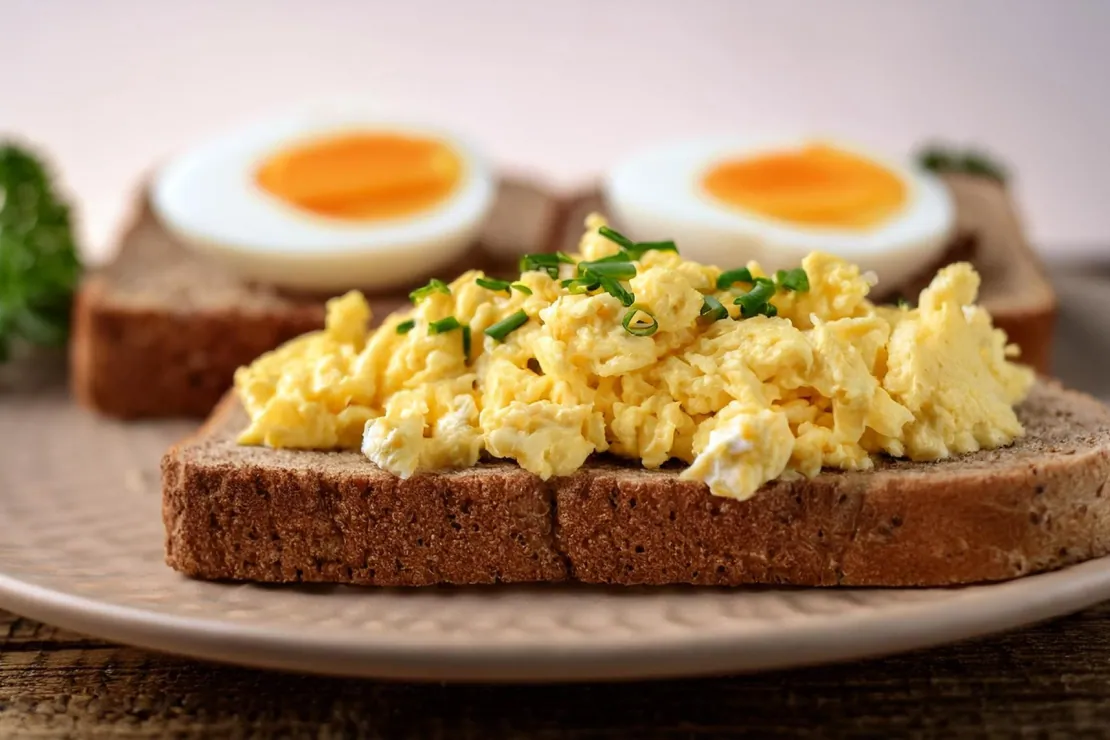
Boiled vs. Scrambled Eggs: The Protein Difference Per Egg
Same egg, different cooking method — different protein retention and satiety. See the per-egg breakdown and which method fits a cut.
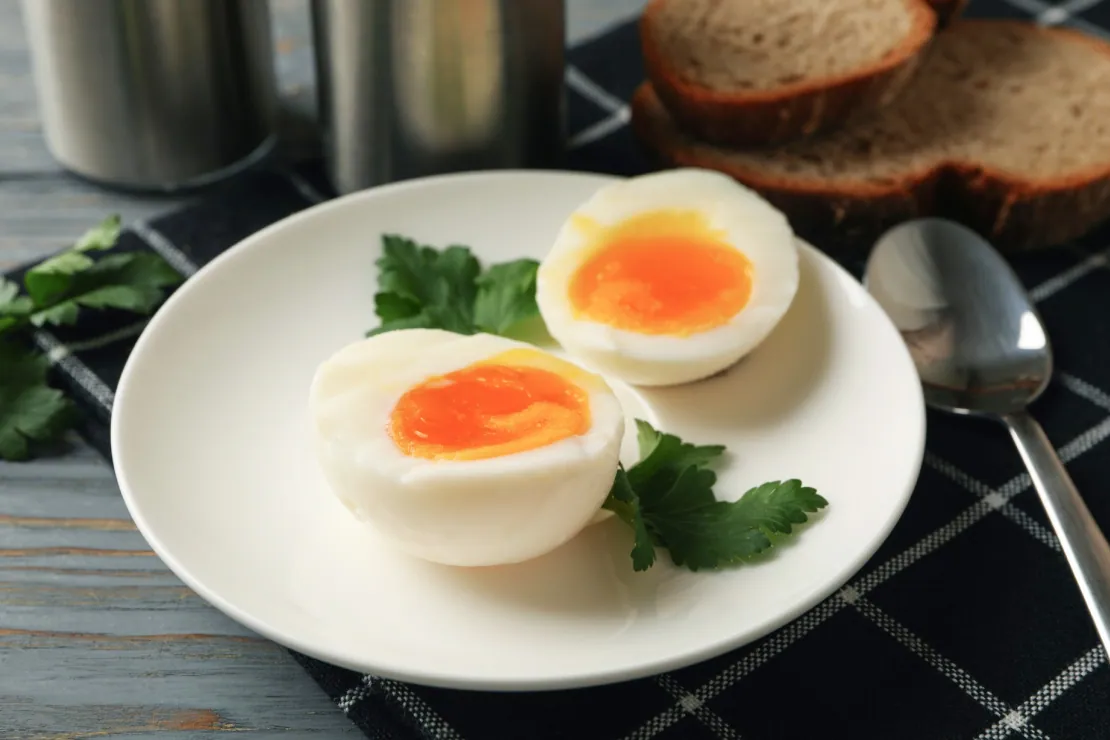
Half-Boiled vs. Fully Boiled Eggs: Calories, Protein & Which Wins
Half-boiled eggs aren't just softer — the nutrition differs too. Compare calories, protein retention, and digestibility before you decide which to eat.

Egg Whites vs. Whole Eggs for Muscle Gain: Which Actually Builds More Muscle?
Bodybuilders have argued over egg whites versus whole eggs for decades. We dig into the muscle protein synthesis research, nutrient comparison, and calorie math to settle which option truly supports muscle growth better.
Start Your Health Journey Today
Download Macro Tracking AI and take control of your nutrition with the power of artificial intelligence.