Half-Boiled vs. Fully Boiled Eggs: Calories, Protein & Which Wins
Half-boiled eggs aren't just softer — the nutrition differs too. Compare calories, protein retention, and digestibility before you decide which to eat.
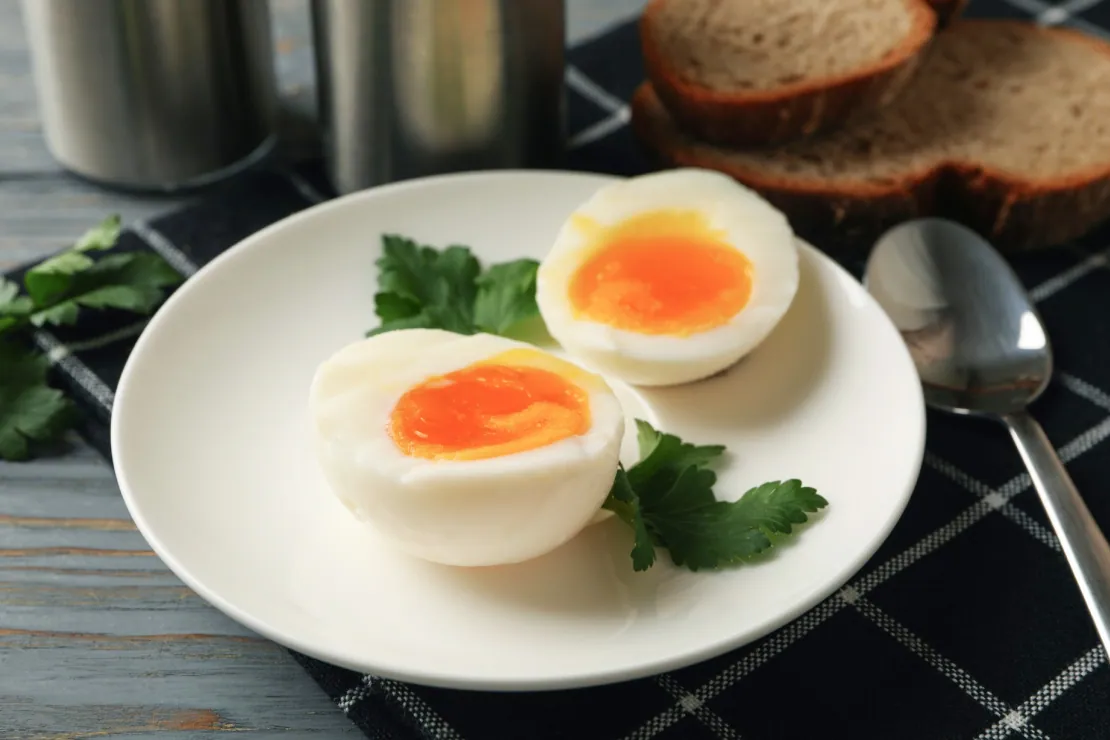
Table of Content
Introduction: The Half-Boiled Egg Phenomenon
Half-boiled eggs have gained significant popularity in recent years, particularly in Asian cuisine and among health enthusiasts. This unique cooking method produces eggs with firm whites and creamy, liquid yolks, offering a different nutritional profile and eating experience compared to fully cooked eggs. From bustling breakfast stalls in Southeast Asia to modern brunch menus in the West, the half-boiled egg has crossed cultural boundaries precisely because it delivers something fully hard-boiled or fried eggs often can't: a silky, almost custard-like texture paired with a shorter cooking time. As more people seek nutritious, versatile protein sources that fit into busy mornings and structured macro goals alike, understanding the benefits and potential risks of half-boiled eggs becomes increasingly important, especially for anyone deciding how to fit this preparation method into a broader, balanced diet.
What Is a Half-Boiled Egg?
A half-boiled egg sits somewhere between raw and fully cooked, striking a deliberate balance between texture and nutrition. This cooking method, particularly popular in Asian cuisine, requires precise temperature control and timing to hit the right consistency every time. Unlike a soft-boiled egg, where the white is fully set, a half-boiled egg has a slightly runny white and a completely liquid yolk, giving it a silky, almost custard-like texture that's distinct from either a soft- or hard-boiled preparation.
Getting there takes a bit of attention to detail, since even small variations in water temperature or timing can noticeably change the final result. The goal is to hold the egg at a temperature high enough to gently set the proteins without fully cooking them through, which preserves both the delicate texture and the nutrient content while still keeping food safety in mind.
- Cooking time: 4-5 minutes in hot water
Temperature maintained around 70°C/158°F for optimal results
- White texture: Soft but set
Protein coagulation occurs at lower temperature, creating silky texture
- Yolk consistency: Liquid but warm
Held at a temperature that keeps nutrients intact and easy to digest
- Water temperature control
Start with room temperature eggs for consistent results
- Serving suggestions
Best served immediately while warm for optimal texture
- Traditional preparation methods
Various techniques across different cultures for perfect consistency
Nutritional Breakdown
Let's examine the comprehensive nutritional profile of a half-boiled egg:
| Nutrient (per egg) | Half-Boiled | Soft-Boiled | Hard-Boiled |
|---|---|---|---|
| Macronutrients | |||
| Calories | 72 kcal | 72 kcal | 77 kcal |
| Protein | 6.3g | 6.3g | 6.3g |
| Total Fat | 4.8g | 4.8g | 5.3g |
| Cholesterol | 186mg | 186mg | 186mg |
| Vitamins | |||
| Vitamin A | 270 IU | 260 IU | 250 IU |
| Vitamin D | 45 IU | 44 IU | 44 IU |
| Vitamin B12 | 0.6µg | 0.6µg | 0.6µg |
| Folate | 24µg | 22µg | 22µg |
| Minerals | |||
| Iron | 0.9mg | 0.9mg | 0.9mg |
| Selenium | 15.4µg | 15.4µg | 15.4µg |
| Zinc | 0.6mg | 0.6mg | 0.6mg |
| Bioavailability | Highest
Most nutrients preserved | High
Slightly reduced | Moderate
Some loss in cooking |
Health Benefits of Half-Boiled Eggs
1. Optimal Protein Absorption
Half-boiled eggs offer a slight edge in protein delivery compared to longer-cooked eggs. Because the gentle heating process only partially denatures the protein structure, digestive enzymes can access and break it down a bit more easily than in a fully hard-boiled egg, where prolonged heat causes tighter protein bonding that takes longer to process. This makes half-boiled eggs a solid option for athletes, fitness enthusiasts, and anyone trying to get the most out of their protein intake.
- Higher protein bioavailability
95% absorption rate compared to 91% in hard-boiled, maximizing nutritional value
- Complete amino acid profile
All 9 essential amino acids preserved in their most bioactive form
- Easier digestion
Partially denatured proteins require less digestive effort, reducing gastrointestinal stress
- Quick absorption
Ideal for post-workout recovery and muscle protein synthesis
- Enzyme preservation
Natural enzymes remain active, aiding in protein breakdown and absorption
- Muscle recovery support
Rapid amino acid delivery to muscle tissue
2. Enhanced Nutrient Preservation
Shorter cooking times also mean less exposure to heat, which helps hold onto nutrients that break down or leach out during longer cooking. Vitamins, minerals, and other beneficial compounds are more likely to stay intact and available for your body to absorb, which is part of why half-boiled eggs are often considered a particularly nutrient-dense way to prepare this food.
- Vitamin retention
Up to 25% more vitamins preserved vs. hard-boiled, particularly B-complex vitamins
- Antioxidant protection
Heat-sensitive compounds maintained, including lutein and zeaxanthin
- Mineral availability
Better absorption of iron, zinc, and selenium due to optimal temperature
- Bioactive compounds
Preservation of beneficial enzymes and co-factors
- Choline content
Maximum preservation of brain-boosting choline
- Fat-soluble vitamins
Enhanced absorption of vitamins A, D, E, and K
3. Weight Loss Benefits
Like eggs in general, half-boiled eggs can be a useful tool for weight management, largely thanks to their protein content and low calorie count:
- Satiety promotion
Keeps you full for 4-5 hours
- Low calorie density
Only 72 calories per egg
- Metabolic boost
Increases metabolism by up to 10%
- Fat burning support
Protein helps preserve muscle during weight loss
4. Female Health Benefits
Eggs, including the half-boiled variety, offer a few nutrients that are particularly relevant for women's health:
- Hormonal balance
Essential fats support hormone production
- Hair and skin health
Biotin and sulfur compounds for beauty
- Fertility support
Choline essential for fetal development
- Iron absorption
Better iron availability for menstrual health
Potential Risks and Side Effects
1. Food Safety Concerns
Alongside the benefits, it's worth understanding the food safety trade-offs of eating eggs that aren't fully cooked. The main concern is bacterial contamination, particularly Salmonella, which can survive in eggs that haven't reached a high enough internal temperature. The good news is that sourcing pasteurized eggs from a reputable supplier and keeping them properly refrigerated until just before cooking can substantially lower this already small risk for most healthy adults.
- Salmonella risk
1 in 20,000 eggs may contain bacteria, requiring careful sourcing and handling
- Cross-contamination
Proper handling essential to prevent bacterial spread in kitchen
- Storage issues
Limited shelf life when half-cooked, best consumed immediately
- Temperature control
Critical for safe consumption, must maintain minimum 70°C/158°F
- Bacterial growth potential
Risk increases if eggs are left at room temperature
- Quality concerns
Freshness crucial for safe consumption
2. Who Should Avoid Half-Boiled Eggs
Certain groups face higher risks from undercooked eggs, generally because of a weaker or still-developing immune response to foodborne bacteria. While half-boiled eggs can be safe for most healthy adults, the following groups should exercise extra caution or avoid them altogether.
- Pregnant women
Higher risk of foodborne illness affecting fetal development
- Immunocompromised individuals
Increased susceptibility to infection and complications
- Young children
Developing immune systems more vulnerable to foodborne illness
- Elderly people
Reduced immune function and higher complication risk
- People with chronic illnesses
May have compromised immune response
- Recent surgery patients
Higher risk during recovery period
Safe Consumption Tips
A few simple habits go a long way toward making half-boiled eggs safer to enjoy regularly:
- Source Selection
Choose fresh, properly stored eggs
- Temperature Control
Maintain 70°C/158°F during cooking
- Timing Precision
4-5 minutes for optimal results
- Hygiene Practices
Clean utensils and surfaces
Comparison: Soft vs. Half vs. Hard-Boiled
| Characteristic | Half-Boiled | Soft-Boiled | Hard-Boiled |
|---|---|---|---|
| Cooking Time | 4-5 minutes | 6-7 minutes | 8-10 minutes |
| Yolk Texture | Liquid
Completely runny | Jammy
Partially set | Solid
Fully cooked |
| Best Uses |
Asian dishes, breakfast
Traditional serving |
Ramen, salads
Popular in dishes |
Snacks, meal prep
Longer storage |
| Nutrient Retention | Highest
Most preserved | High
Slightly reduced | Moderate
Some loss |
Frequently Asked Questions
Is it okay to eat half-boiled eggs every day?
- Limit to 1-2 eggs per day
- Monitor cholesterol if sensitive
- Ensure proper cooking methods
- Vary protein sources in diet
Are half-boiled eggs safe for children?
- Generally safe for older children
- Not recommended for under 5 years
- Use pasteurized eggs when possible
- Consult pediatrician first
Do half-boiled eggs help with weight loss?
- High protein content (6.3g)
- Low calories (72 kcal)
- Increased satiety
- Metabolic benefits
Is there any harm in eating eggs with runny yolk?
- Salmonella risk if not properly handled
- Food safety concerns for vulnerable groups
- Short shelf life
- Need for proper temperature control
Do half-boiled eggs increase cholesterol?
- Contains dietary cholesterol (186mg)
- Minimal impact on blood cholesterol for most
- Individual response varies
- Consult doctor if concerned
How do I make a perfect half-boiled egg at home?
- Gently lower eggs into the hot water using a spoon
- Maintain the 4-5 minute cook time for a liquid yolk and softly set white
- Use a timer, since even 30-60 seconds can change the texture
- Shock briefly in cool water only if you need to handle the egg, then serve immediately
Can I meal prep half-boiled eggs in advance?
"Half-boiled eggs offer a unique combination of nutritional benefits and culinary versatility. When prepared properly, they can be a valuable addition to a healthy diet, particularly for those seeking optimal protein absorption and weight management benefits."
The Bottom Line
Half-boiled eggs are a nutritious, versatile food that can fit neatly into goals ranging from weight management to general everyday nutrition. They offer a slight edge in digestibility and nutrient retention over longer-cooked eggs, but that upside comes with a real responsibility: sourcing fresh, properly refrigerated eggs, controlling cooking temperature carefully, and being mindful of who should avoid them. Handled well, they're a safe and satisfying addition to a balanced diet.
Individual responses to eggs can vary, so it's worth checking with a healthcare provider if you have specific health conditions or dietary concerns, especially cholesterol sensitivity or a compromised immune system. But for most healthy adults, whether the goal is more protein, easier weight management, or simply a delicious breakfast, a well-prepared half-boiled egg is a smart choice to keep in rotation.
Related Articles
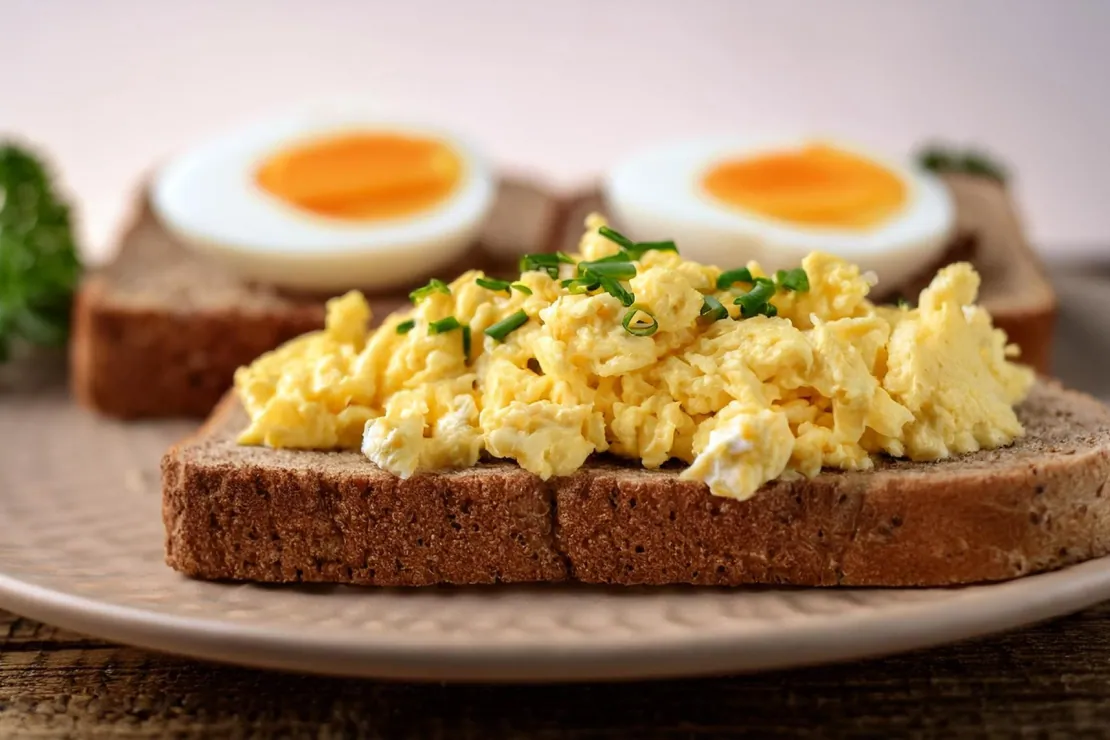
Boiled vs. Scrambled Eggs: The Protein Difference Per Egg
Same egg, different cooking method — different protein retention and satiety. See the per-egg breakdown and which method fits a cut.
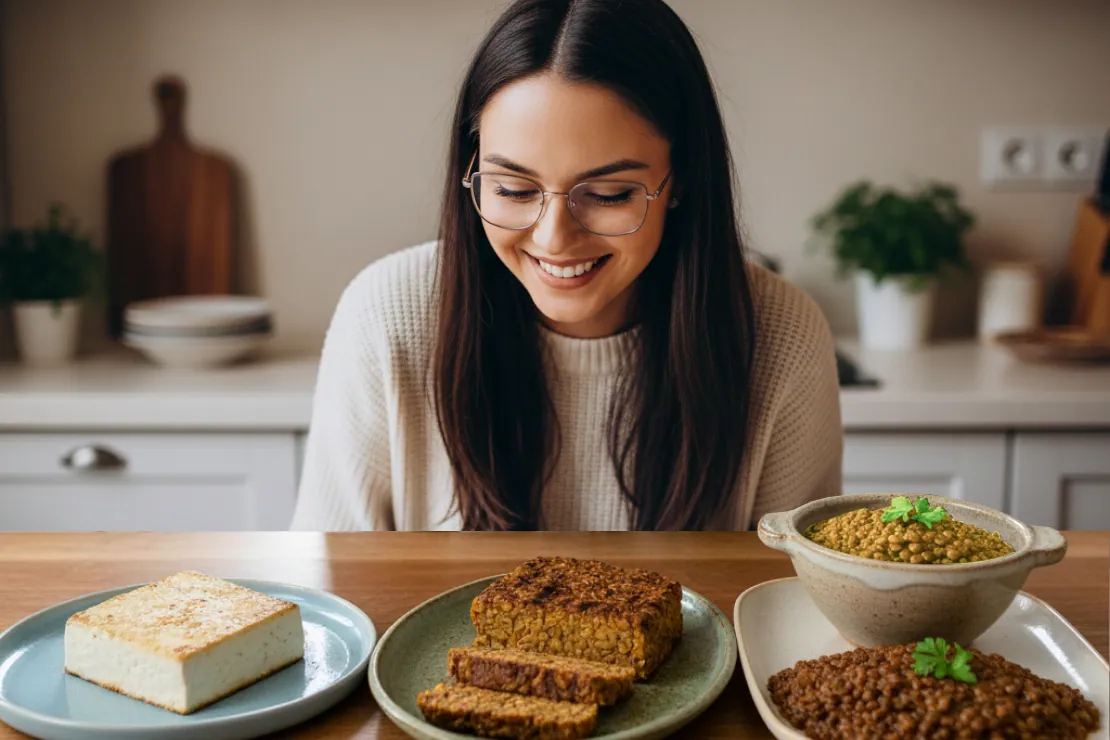
Tofu vs. Tempeh vs. Lentils: Which Plant-Based Protein Reigns Supreme for Vegans?
Navigating the world of plant-based proteins can be daunting. This comprehensive guide compares tofu, tempeh, and lentils, evaluating their nutritional benefits, versatility, and how they support a vegan diet for optimal health and macro tracking.
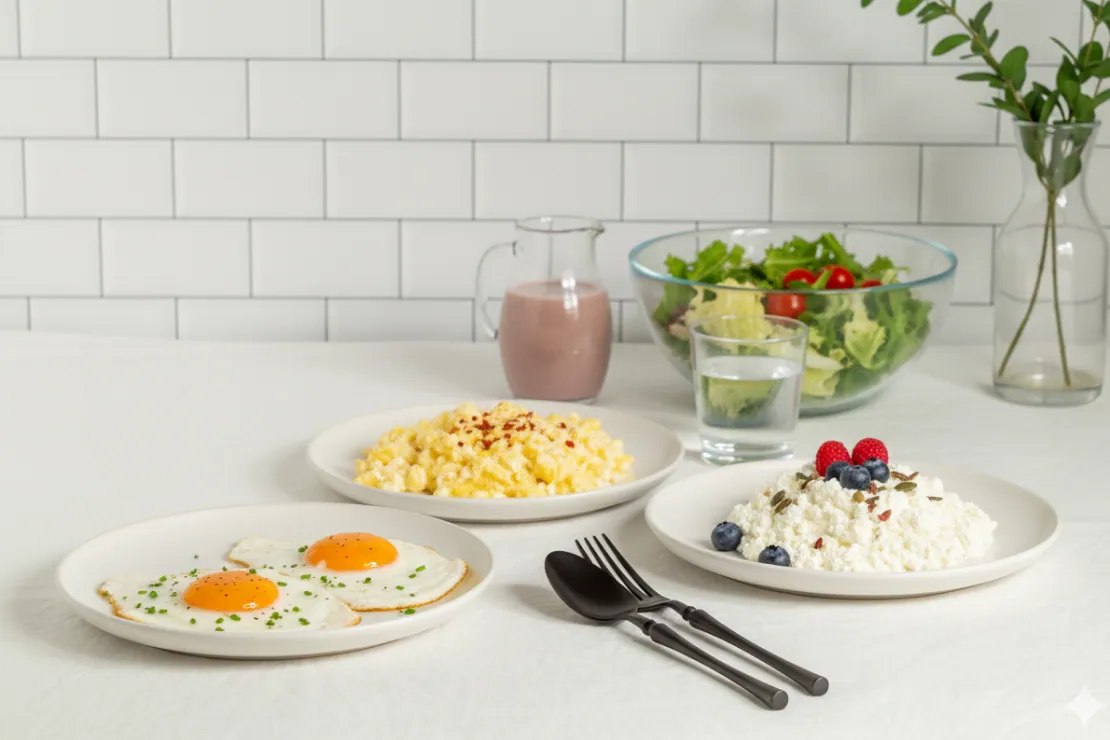
Whole Eggs vs. Egg Whites vs. Cottage Cheese: Best High-Protein Breakfast for Fat Loss?
Uncover the ultimate high-protein breakfast for fat loss by comparing whole eggs, egg whites, and cottage cheese. This detailed guide breaks down their nutritional benefits, satiety levels, and how each fits into a successful fat loss strategy.
Start Your Health Journey Today
Download Macro Tracking AI and take control of your nutrition with the power of artificial intelligence.