Debunking the Myth: Does Turkey Bacon Really Have Nitrates?
Discover the truth about nitrates in turkey bacon, understand the differences between natural and artificial nitrates, and learn how to make informed choices about your breakfast proteins.
Table of Content
Understanding Nitrates in Turkey Bacon
As health-conscious consumers increasingly turn to turkey bacon as a leaner alternative to traditional pork bacon, questions about its nitrate content have become more prevalent. Grocery store shelves are now filled with competing labels — "nitrate-free," "uncured," "no added nitrates" — that can leave even careful shoppers unsure of what they're actually buying. The truth about nitrates in turkey bacon is more complex than a simple yes or no answer, and understanding this can help you make better dietary choices without falling for marketing language that sounds reassuring but doesn't tell the whole story.
Natural vs. Artificial Nitrates: What's the Difference?
Many turkey bacon manufacturers now advertise their products as "nitrate-free," but this label can be misleading. Here's what's actually happening behind the packaging claims:
- Conventional turkey bacon: Typically uses sodium nitrite, a synthetic preservative added directly during processing.
- "Uncured" varieties: Rely on natural nitrate sources, most commonly celery powder or celery juice extract, instead of synthetic sodium nitrite.
- The end result: Both processing methods ultimately generate nitrates and nitrites in the finished product — the source differs, but the chemistry converges.
- Bodily processing: Your body doesn't distinguish between naturally sourced and synthetically added nitrates; it converts and processes both in essentially the same way.
The Role of Nitrates in Meat Processing
Nitrates aren't just filler ingredients — they serve several important functions in processed meats like turkey bacon:
First and foremost, they help prevent bacterial growth, particularly the bacteria responsible for botulism, which makes them a genuine food safety measure rather than a purely cosmetic additive. These compounds also give turkey bacon its characteristic pink color and contribute to its familiar smoky flavor profile. Without some form of nitrates, turkey bacon would look gray and taste noticeably different from what most consumers expect. This is precisely why "uncured" products still rely on natural nitrate sources like celery powder: the preservation function is essential to food safety, even when manufacturers avoid the word "nitrate" on the label.
Health Implications: What the Research Says
The relationship between nitrates and health is nuanced, and headlines don't always capture the full picture. While some studies have raised concerns about processed meats and health risks, it's important to understand a few key facts before drawing conclusions:
The amount of nitrates in turkey bacon is generally lower than in traditional pork bacon, since turkey bacon typically uses less curing salt overall. Modern processing methods have also significantly reduced nitrate levels compared to historical usage decades ago. Perhaps most importantly, the body naturally produces nitrates on its own, and many vegetables contain far higher levels than processed meats do. In fact, leafy greens like spinach and celery itself are among the richest natural sources of nitrates in the average diet — often supplying more nitrates per serving than a few strips of turkey bacon. This is part of why context and overall dietary pattern matter more than eliminating any single ingredient.
Making Informed Choices About Turkey Bacon
When selecting turkey bacon at the store, a few practical factors can make a real difference to your overall diet:
- Transparent labeling: Look for products that clearly list their ingredients rather than hiding behind vague marketing terms.
- Portion and frequency: Consider how often you eat turkey bacon and in what quantities — an occasional serving matters far less than a daily habit.
- Dietary balance: Rotate in whole food protein sources like eggs, poultry, or fish so processed meat isn't your only protein option.
- Sodium comparison: Compare total sodium content between brands, since this can vary substantially and is often a bigger day-to-day concern than nitrates themselves.
Reading Labels: What to Look For
Understanding turkey bacon labels can help you make better choices at the grocery store. Here's what the key ingredient terms actually mean:
Sodium nitrite or sodium nitrate on the ingredient list are the traditional, synthetic preservatives. Celery powder, celery juice, or sea salt listed instead often indicate a natural nitrate source rather than an absence of nitrates. Remember that "uncured" doesn't necessarily mean nitrate-free — it usually just means a different source was used. Beyond the nitrate question, it's also worth checking the total sodium content on the nutrition label, as this can vary significantly between brands regardless of curing method.
Healthier Alternatives and Preparation Methods
If you're concerned about nitrates but still enjoy turkey bacon, a few practical approaches can help you strike a better balance:
Look for genuinely nitrate-free varieties that use alternative preservation methods, such as vacuum sealing combined with refrigeration or freezing rather than chemical curing. Favor cooking methods like baking or gentler pan-frying over high-heat charring, which can help minimize the formation of potentially harmful compounds. It can also help to pair turkey bacon with foods high in antioxidants, such as citrus fruit or leafy greens, which may help offset some of the potential effects of nitrate exposure as part of an overall balanced meal.
The Bottom Line on Turkey Bacon and Nitrates
Turkey bacon, like most processed meats, typically contains some form of nitrates, whether natural or artificial — there's no getting around that fact regardless of what the label says. That said, it's generally a leaner option than traditional pork bacon, and it's perfectly fine to enjoy in moderation as part of a balanced diet. Understanding the role of nitrates and making informed choices about your turkey bacon consumption — reading labels carefully, watching portion sizes, and rotating in other protein sources — can help you maintain a healthy relationship with this popular breakfast protein without unnecessary worry.
"The key isn't necessarily avoiding nitrates completely, but rather understanding their role and making informed decisions about your consumption of processed meats."
Frequently Asked Questions
Is "uncured" turkey bacon actually nitrate-free?
Is turkey bacon a healthier choice than regular pork bacon?
Related Articles
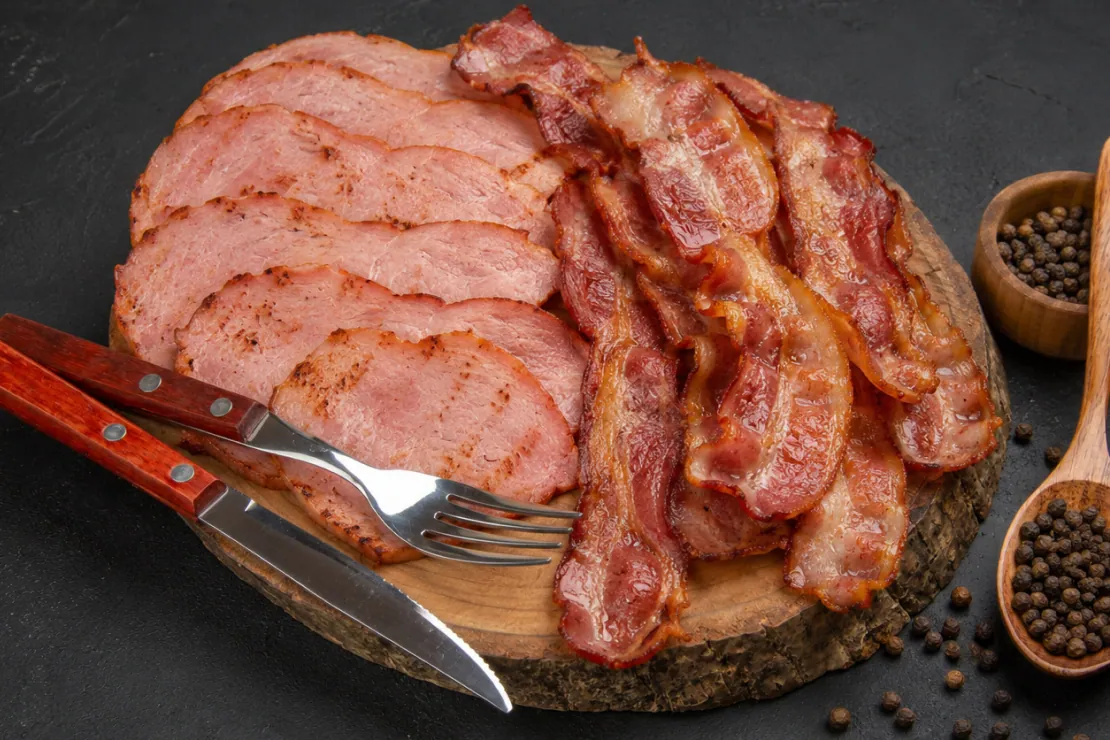
Turkey Bacon vs. Regular Bacon: The Complete Nutrition Comparison
Turkey bacon is marketed as the guilt-free breakfast swap, but does it actually beat pork bacon nutritionally? We compare calories, fat, sodium, and flavor to find out which one truly deserves a spot on your plate.
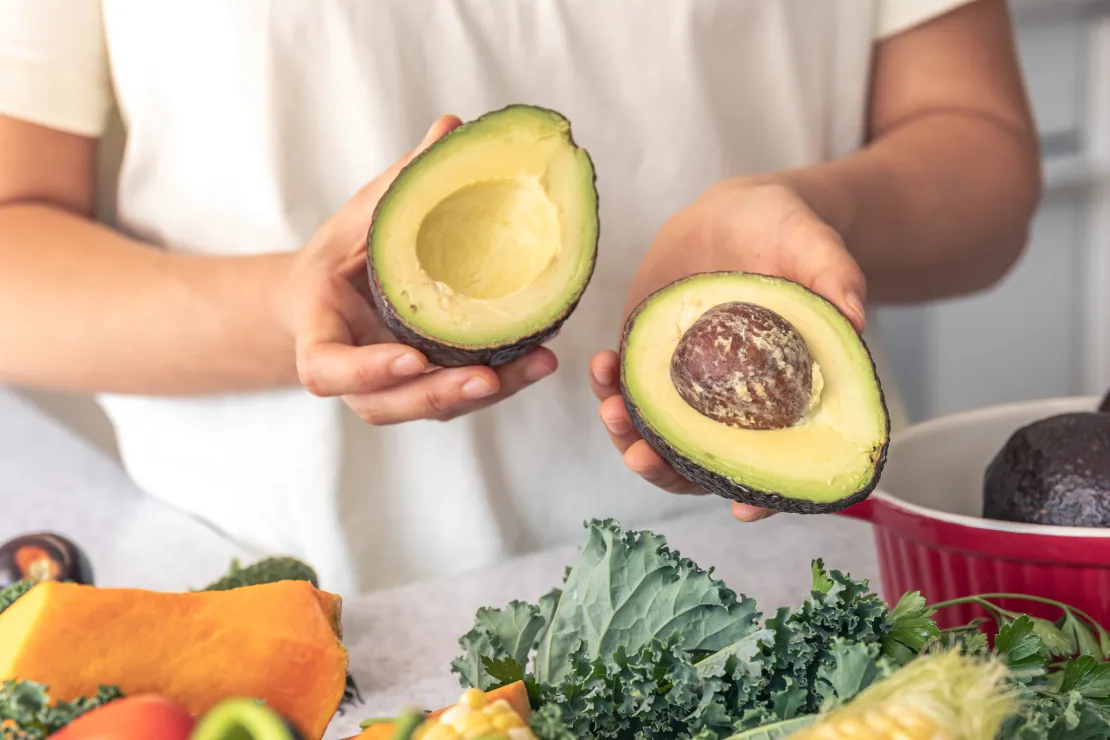
How to Eat an Avocado for Weight Loss: Does Avocado Really Help You Slim Down?
Find out how to eat avocado for weight loss effectively. Explore the best times to eat it, whether it truly helps with fat loss, and smart pairing ideas like eggs or breakfast meals to support your goals.

Coffee Myths Debunked: Does it Really Dehydrate You?
Is coffee a diuretic that leads to dehydration? Does it stunt your growth? We're tackling the most persistent myths about coffee with scientific facts, so you can sip your favorite beverage with confidence and clarity.
Start Your Health Journey Today
Download Macro Tracking AI and take control of your nutrition with the power of artificial intelligence.