Organic vs. Non-Organic Avocados: Is It Worth the Extra Cost?
Dive deep into the debate between organic and non-organic avocados. We compare nutritional value, pesticide levels, cost, and environmental impact to help you make the healthiest, most informed choice for your diet and budget.
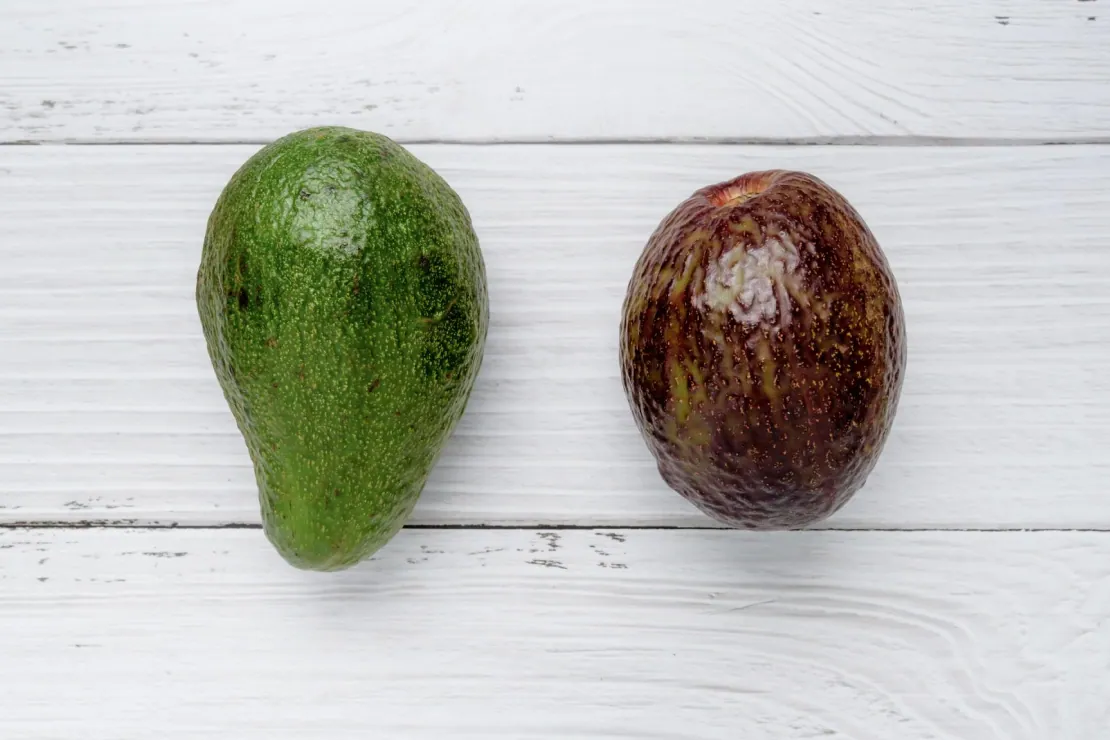
Table of Content
The Avocado Dilemma: To Buy Organic or Not?
Avocados have cemented their status as a superfood, beloved for their creamy texture and impressive nutritional profile. From toast toppings to smoothies and salads, they've become a fixture in health-conscious kitchens everywhere. As you navigate the produce aisle, you're faced with a common choice: should you splurge on organic avocados, or are conventional ones just as good? The organic label often carries an implicit promise of superior quality and safety, but for a fruit protected by such a thick outer skin, that promise deserves closer scrutiny. This guide will break down the key differences, helping you make an informed decision that aligns with your health goals, budget, and values.
Understanding the "Organic" Label
Before comparing the two, it helps to know exactly what "organic" means in practice. For a product to carry the "USDA Organic" label, it has to be grown and processed according to strict federal guidelines, not just marketed with the word. These standards cover three main areas:
- Soil Quality: Grown in soil free from prohibited substances (like synthetic fertilizers and pesticides) for at least three years prior to harvest.
- Pest and Weed Control: Managed with natural methods, such as crop rotation and natural predators, rather than synthetic pesticides.
- Genetic Engineering: GMOs (Genetically Modified Organisms) are strictly prohibited at every stage of production.
Nutritional Showdown: Is There a Difference?
When it comes to core nutritional content, the battle between organic and non-organic avocados is far less dramatic than you might expect.
Scientific studies have generally found no significant difference in the levels of key macronutrients (fats, proteins, carbs) or major vitamins and minerals, like potassium and Vitamin K, between the two. Both types are excellent sources of:
- Healthy Monounsaturated Fats: Crucial for heart health.
- Dietary Fiber: Important for digestive health and satiety.
- Potassium: Helps regulate blood pressure.
- Vitamins K, E, C, and B-vitamins: Essential for various bodily functions.
Some studies suggest organic produce may carry slightly higher concentrations of certain antioxidants and secondary plant compounds, but for avocados specifically, that difference is generally considered negligible — likely because the edible flesh is so well shielded by the thick skin regardless of how the fruit was grown.
Verdict: Nutritionally, both are excellent choices. Don't let the organic label be the deciding factor if vitamin and mineral content is your main concern.
The Pesticide Question: The Avocado's Natural Armor
The primary reason most consumers pay extra for organic produce is to avoid pesticide residues. This is exactly where avocados have a built-in advantage that few other fruits share.
Avocados consistently rank at the top of the Environmental Working Group's (EWG) "Clean Fifteen" list—a guide to produce with the lowest levels of pesticide residues. This is largely due to their thick, pebbly skin, which acts as a natural barrier, protecting the edible flesh from chemical sprays. Unlike thin-skinned produce such as berries or leafy greens, where residues can settle directly on the part you eat, an avocado's outer layer is discarded entirely before consumption, further reducing any realistic exposure.
| Factor | Organic Avocados | Conventional Avocados |
|---|---|---|
| Pesticide Use | Only natural-approved pesticides allowed. | Synthetic pesticides may be used. |
| Residue on Flesh | Extremely low to non-existent. | Extremely low to non-existent.
EWG found pesticides on less than 1% of conventional avocados. |
| Need to Wash | Yes. To remove dirt and bacteria. | Yes. To prevent transferring any surface residues to the flesh when cutting. |
Verdict: For avocados, the risk of pesticide exposure on the part you actually eat is minimal, regardless of whether you choose organic or conventional. The thick skin genuinely is your friend here.
Cost vs. Benefit: Is Organic Worth the Price?
There's no denying that organic avocados come with a noticeably higher price tag, often 30-60% more than their conventional counterparts at the checkout. Given how minimal the nutritional gap is and how low the pesticide risk already is for conventional avocados, is that extra cost actually justified?
- For Budget-Conscious Shoppers: Conventional avocados are a smart, healthy, and safe choice. You get essentially the same health benefits without paying the organic premium.
- When to Consider Organic: If your budget comfortably allows for it and supporting organic farming practices matters to you for environmental or personal reasons, choosing organic is a perfectly valid choice.
Environmental Impact
This is the one area where a genuinely stronger case for organic can be made. Organic farming practices are, by design, intended to be more sustainable and environmentally friendly than conventional methods.
- Organic Farming: Promotes biodiversity, builds healthier soil over time, and generally conserves water better. It avoids the synthetic pesticides and fertilizers that can run off into water sources and harm local ecosystems.
- Conventional Farming: Can rely on practices that, over the long term, contribute to soil degradation and water pollution, though this varies widely by farm and region.
It's worth noting that avocado farming, organic or not, is water-intensive by nature, and sourcing from regions with sustainable irrigation practices can matter just as much as the organic label itself. Shoppers who care deeply about their environmental footprint may want to look beyond the certification alone and consider where and how the avocado was actually grown.
Verdict: If environmental impact is a primary concern for you, choosing organic avocados does support a more sustainable agricultural system overall.
Taste, Appearance, and Quality
Taste is subjective, and there's no conclusive evidence that organic avocados taste noticeably better than conventional ones. Factors like ripeness at the time of eating, variety (Hass, Fuerte, and others), and growing conditions have a far greater impact on flavor and texture than whether the fruit is certified organic.
The Final Verdict: Which Avocado Should You Buy?
For the vast majority of consumers, conventional avocados are a perfectly healthy, safe, and economical choice. Their thick skin provides excellent protection from pesticide residue, and their nutritional profile is virtually identical to organic varieties, so you're not sacrificing anything nutritionally by choosing conventional.
That said, you should consider buying organic avocados if:
- Your budget comfortably absorbs the extra cost without it being a real concern.
- Supporting environmentally friendly and sustainable farming practices is a high priority for you personally.
- You want to avoid GMOs entirely, though it's worth knowing there are currently no commercially available GMO avocados on the market.
- You simply have a personal preference for organic products for peace of mind.
Frequently Asked Questions
Are organic avocados more nutritious than regular ones?
Current scientific consensus shows no significant nutritional difference. Both are packed with healthy fats, fiber, and vitamins.
Do I still need to wash organic avocados?
Yes. Always wash all produce, including avocados, before cutting. This removes any dirt, bacteria, or surface residues that could be transferred from the skin to the flesh by the knife.
Why are avocados on the 'Clean Fifteen' list?
Avocados are on the EWG's "Clean Fifteen" list because their thick, inedible skin provides a natural barrier against pesticides, resulting in very low to undetectable residue levels on the edible flesh.
Does buying organic avocados support more sustainable farming?
Generally, yes. Organic certification requires practices that support soil health, biodiversity, and reduced synthetic chemical use. However, sustainability also depends on factors like water usage and transportation distance, so an organic avocado isn't automatically the most eco-friendly option in every case.
How can I tell if an avocado is ripe, regardless of whether it's organic?
Gently press the avocado in your palm rather than poking it with your fingers, which can bruise the flesh. A ripe avocado yields slightly to firm, gentle pressure; if it feels rock-hard, it needs a few more days, and if it feels mushy or has a hollow give, it's likely overripe. Color can offer a rough guide for Hass avocados, which darken from green to near-black as they ripen, but firmness is the more reliable test across varieties.
"When it comes to avocados, your wallet can breathe a sigh of relief. Conventional avocados offer the same amazing health benefits and low pesticide risk as their organic counterparts, making them a smart choice for any health-conscious consumer."
Related Articles
Natural vs Organic Food: What
Discover the key differences between natural and organic foods, understand certification standards, and learn which options best suit your health, budget, and environmental values.

Mediterranean vs. DASH: Which Diet Is Best for Weight Loss?
Dive into a comprehensive comparison of the Mediterranean and DASH diets. Discover their core principles, health benefits, and effectiveness for weight loss to help you choose the best eating plan for your goals.

The Ice Hack Diet Explained: Myths vs. Facts You Need to Know
Uncover the truth behind the viral Ice Hack Diet trend, examining scientific evidence, potential benefits, and risks to help you make an informed decision about this weight loss approach.
Start Your Health Journey Today
Download Macro Tracking AI and take control of your nutrition with the power of artificial intelligence.