Does Skipping Dinner Affect Sleep Quality? What the Research Says
Explore the complex relationship between skipping dinner and sleep quality. This guide delves into the science of how meal timing impacts your sleep architecture, hormones, and overall health.
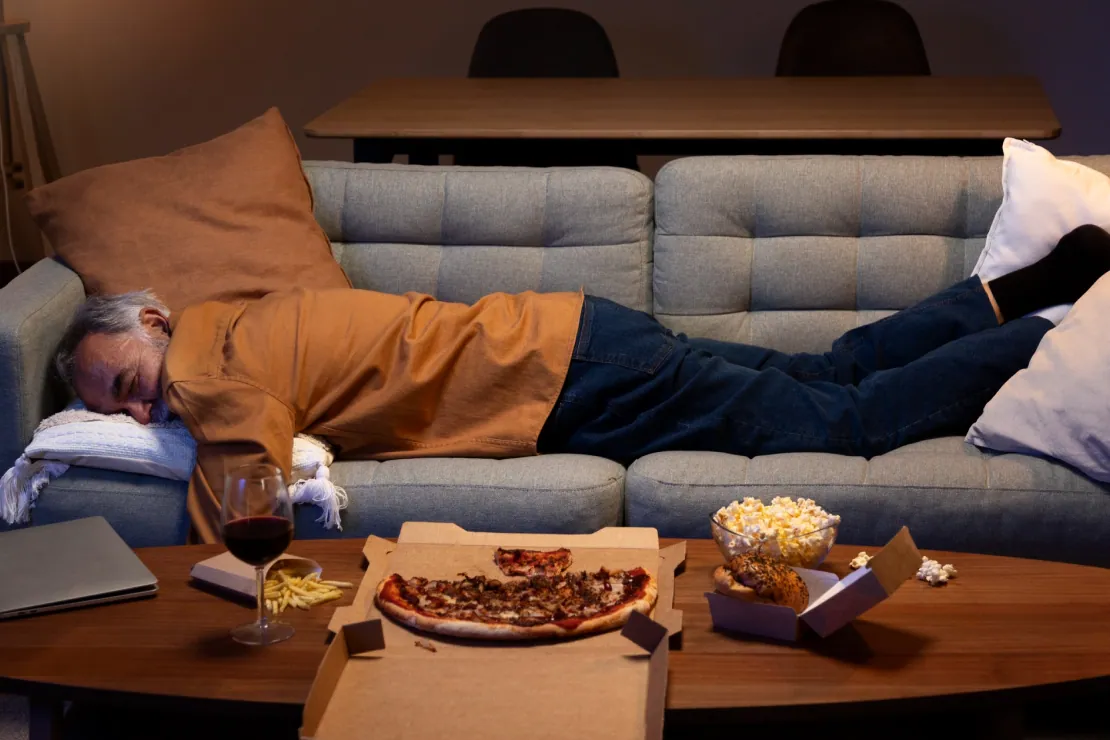
Table of Content
The Evening Meal Dilemma: To Eat or Not to Eat?
The age-old advice to "eat breakfast like a king, lunch like a prince, and dinner like a pauper" has found new life in modern wellness circles, with many people adopting early time-restricted eating or skipping dinner altogether. Social media is full of anecdotal claims that cutting out the evening meal leads to deeper, more restorative sleep, but the science behind these claims is often left out of the conversation. While the metabolic benefits for weight loss are often discussed, a critical question remains: how does skipping dinner truly affect your sleep quality? The answer is complex, involving a delicate interplay of hormones, digestion, and our internal body clock, and what works well for one person may backfire entirely for another.
The Science of Sleep and Digestion
Your body's sleep-wake cycle, or circadian rhythm, is closely tied to your digestive system. During the day, your metabolism is primed for eating and digesting food efficiently. As evening approaches, your body naturally shifts toward rest and repair, and digestive processes gradually slow down. Eating a large meal close to bedtime works against this natural rhythm, forcing your digestive system to stay active during a window when it would otherwise be winding down along with the rest of your body.
- Metabolic Slowdown: Your metabolism naturally slows in the evening, making it less efficient at processing a large influx of calories right before bed.
- Thermic Effect of Food (TEF): Digesting food generates heat and can raise your core body temperature slightly, which works against the natural temperature drop your body needs to fall asleep.
- Hormonal Shifts: Eating triggers an insulin release, and elevated insulin can interfere with the production of melatonin, the hormone most responsible for regulating sleep onset.
Impact on Sleep Architecture
Meal timing doesn't just affect how quickly you fall asleep — it can influence the very structure of your sleep. Sleep architecture refers to the cyclical pattern of sleep stages you move through each night, including light sleep, deep sleep (slow-wave sleep), and REM (Rapid Eye Movement) sleep.
- Deep Sleep: This is the most restorative stage, crucial for physical repair and memory consolidation. Eating a heavy meal late at night can reduce how much deep sleep you get, as your body diverts resources toward digestion instead of full recovery.
- REM Sleep: This stage is vital for emotional regulation and learning. Some research suggests that late-night eating can delay the onset of your first REM cycle and shorten its overall duration.
- Sleep Fragmentation: Digestive discomfort, bloating, or acid reflux from a late meal can trigger brief micro-awakenings throughout the night, fragmenting your sleep and leaving you feeling unrefreshed even after a full eight hours in bed.
Potential Benefits of Skipping Dinner for Sleep Quality
For many people, fasting in the evening can lead to noticeable improvements in how well they sleep. Here's a closer look at the main mechanisms behind that effect:
| Benefit | Mechanism | Impact on Sleep |
|---|---|---|
| Improved Digestive Rest | Allows the digestive system to be inactive during sleep. | Reduces the risk of acid reflux, bloating, and indigestion, which can cause awakenings. |
| Enhanced Growth Hormone (GH) Release | Insulin (triggered by food) suppresses GH. Fasting allows for a more robust natural GH pulse during deep sleep. | Promotes better cellular repair, muscle recovery, and fat metabolism overnight. |
| Better Circadian Rhythm Alignment | Aligns the feeding window with daylight hours, reinforcing the body's natural clock. | Can lead to a more regular sleep-wake cycle and improved sleep onset latency. |
| Lower Core Body Temperature | Avoids the thermic effect of a large evening meal. | Facilitates the natural drop in body temperature required for falling asleep. |
Potential Drawbacks and Risks of Skipping Dinner
Despite the potential benefits, skipping dinner isn't suitable for everyone, and for some people it can actually work against good sleep.
- Hunger Pangs: Going to bed genuinely hungry can make it harder to fall asleep in the first place, or can wake you up in the middle of the night once hunger sets back in.
- Blood Sugar Drops (Hypoglycemia): For some individuals, especially those with blood sugar regulation issues, a long overnight fast can cause a drop in blood sugar that disrupts sleep, sometimes triggering a jolt-awake feeling.
- Cortisol Spikes: Hunger itself can act as a physical stressor for some people, raising levels of the stress hormone cortisol — which works directly against the relaxation your body needs for sleep.
- Nutrient Deficiencies: If not planned carefully, compressing your eating window can make it harder to hit your daily nutrient targets, and deficiencies in certain minerals like magnesium can indirectly affect sleep quality.
The Mind-Body Connection: Psychological Aspects
The evening meal is often deeply woven into our daily routines and social lives. For many people, it's a time to unwind, connect with family, and de-stress after a long day. Skipping dinner can therefore present psychological challenges that go well beyond simple hunger, touching on identity, tradition, and the way most of us have been taught to structure our days around three set meals.
- Habit and Ritual: Eating at a consistent time each day creates a powerful psychological expectation. Breaking that pattern, even temporarily, can initially feel unsettling or disorienting.
- Emotional Comfort: Many people use food, particularly in the evening, as a source of comfort or as a small reward after a demanding day. Removing that coping mechanism without a replacement in place can be genuinely difficult.
- Social Implications: Dinner is often the primary time for social interaction, whether with family or friends. Navigating social events or shared meals while fasting takes some advance planning and honest communication.
Who Is Most Likely to Benefit?
- People with acid reflux or GERD: An earlier cutoff gives the stomach time to empty before lying down, reducing nighttime reflux symptoms.
- Frequent post-dinner bloaters: If you often feel bloated or uncomfortable after eating late, an earlier or lighter evening intake can ease that discomfort.
- Circadian-health optimizers: Those specifically looking to align their eating window with daylight hours to support metabolic health.
- Those without hypoglycemia risk: Individuals who don't experience nighttime blood sugar crashes tend to tolerate an evening fast more comfortably.
Who Should Be Cautious?
- Diabetics or those with blood sugar issues: A long overnight fast can increase the risk of dangerous blood sugar swings.
- Athletes with high recovery needs: Intense training demands steady fuel and protein intake, which a skipped dinner can compromise.
- Anyone with a history of eating disorders: Structured fasting can be risky and should only be considered with professional guidance.
- Pregnant or breastfeeding women: Nutrient and calorie needs are elevated during this time, making dinner skipping generally inadvisable.
Practical Strategies for Success
If you do choose to skip dinner, doing it strategically makes a real difference in how sustainable — and comfortable — it feels:
- Eat a Nutrient-Dense Last Meal: Make sure your last meal of the day (e.g., a late lunch) is well-balanced with adequate protein, healthy fats, and fiber to keep you satisfied for longer.
- Gradual Transition: Shift dinner progressively earlier over a week or two rather than cutting it out abruptly — your body adapts far more comfortably this way.
- Stay Hydrated: Drink plenty of water or herbal tea in the evening, since thirst is often mistaken for hunger and can help take the edge off.
- Develop a New Evening Routine: Replace the dinner ritual with other relaxing activities, such as reading, a warm bath, or gentle stretching, so you're not just sitting with the absence of a meal.
The Role of Macronutrients in Your Last Meal
If you opt for a light, early dinner instead of skipping it entirely, what you put on the plate matters just as much as the timing.
- Protein: A source of slow-digesting protein, like casein (found in cottage cheese) or lean meats, promotes satiety and supplies a steady stream of amino acids for overnight muscle repair without triggering a large insulin spike.
- Carbohydrates: A small portion of complex carbohydrates, such as sweet potato or quinoa, can support sleep by helping transport tryptophan to the brain, where it's converted into melatonin. It's best to avoid large amounts of refined carbs, which can spike and then crash blood sugar overnight.
- Fats: Healthy fats also contribute to satiety, but keep the portion modest, since fat is calorie-dense and slows digestion, which can work against a comfortable night's sleep if overdone.
Conclusion: A Personalized Approach is Best
Skipping dinner can be a genuinely useful tool for improving sleep quality and overall health for some people, while leaving others tossing and turning. There's no universal answer here — the key is to listen to your own body's signals rather than following a one-size-fits-all rule. If you find that fasting in the evening leads to more restful sleep and energized mornings, it may well be a great long-term strategy for you. But if it consistently results in sleepless nights and intense hunger, a more traditional eating schedule built around a light, early dinner is likely the better choice. Ultimately, the best approach is the one that's sustainable for your lifestyle and supports both your health goals and your day-to-day well-being.
"The relationship between meal timing and sleep is not one-size-fits-all. The goal is to find a rhythm that allows your body to rest and repair optimally, whether that includes an evening fast or a light, early dinner."
Frequently Asked Questions
If I skip dinner, will I lose muscle?
Muscle loss is a risk with any form of fasting if overall protein and calorie intake are insufficient. To mitigate this, ensure your eating window includes adequate protein (1.6-2.2g per kg of body weight for active individuals) and consider strength training.
What can I have in the evening if I'm not eating dinner?
During your fasting window, you can have non-caloric beverages like water, herbal tea (chamomile, peppermint), and black coffee (if it doesn't affect your sleep).
How do I deal with social situations that revolve around dinner?
This is a major challenge. You can plan your fasting days around your social calendar, have a non-caloric drink while others eat, or adjust your eating window for that day. Flexibility is key to sustainability.
How long does it take to adjust to skipping dinner?
Most people need one to two weeks for their body to adapt to a new eating schedule, including changes in hunger cues and sleep patterns. Initial nights may feel harder due to unfamiliar hunger signals, but many people report their sleep stabilizing or improving once their circadian rhythm and appetite hormones adjust to the earlier eating window.
Is it better to skip dinner entirely or just eat a smaller, earlier one?
For most people, a smaller, earlier dinner is the easier and more sustainable option, since it still supplies nutrients and reduces the risk of going to bed uncomfortably hungry. Skipping dinner entirely may offer slightly greater benefits for digestive rest and growth hormone release, but it also carries a higher risk of hunger-related sleep disruption for some individuals. Testing both approaches for a couple of weeks each is the most reliable way to see which one your body actually responds to better.
Related Articles
Does Fiber Affect Protein Absorption? What Science Says About Timing, Digestion & Diet Balance
Discover the complex relationship between fiber and protein absorption, backed by scientific research. Learn how to optimize your nutrition timing and meal planning for maximum benefits.
Does Coffee Block Protein or Nutrient Absorption? What the Science Actually Says
You've probably heard that coffee interferes with protein absorption or steals nutrients from your food. We separate the real research on caffeine and mineral absorption from the myths, and show you how to time your coffee smartly.

Does Apple Cider Vinegar Burn Fat? What the Science Really Says
Discover the truth about apple cider vinegar for weight loss, backed by scientific research. Learn proper usage, benefits, and realistic expectations for your weight loss journey.
Start Your Health Journey Today
Download Macro Tracking AI and take control of your nutrition with the power of artificial intelligence.