How Many Calories Do You Burn Cleaning the House? Full 1, 2, and 3 Hour Breakdown by Task
Discover the surprising calorie-burning potential of household chores. Get a detailed breakdown of calories burned during different cleaning activities and learn how to maximize your daily cleaning routine for better fitness results.
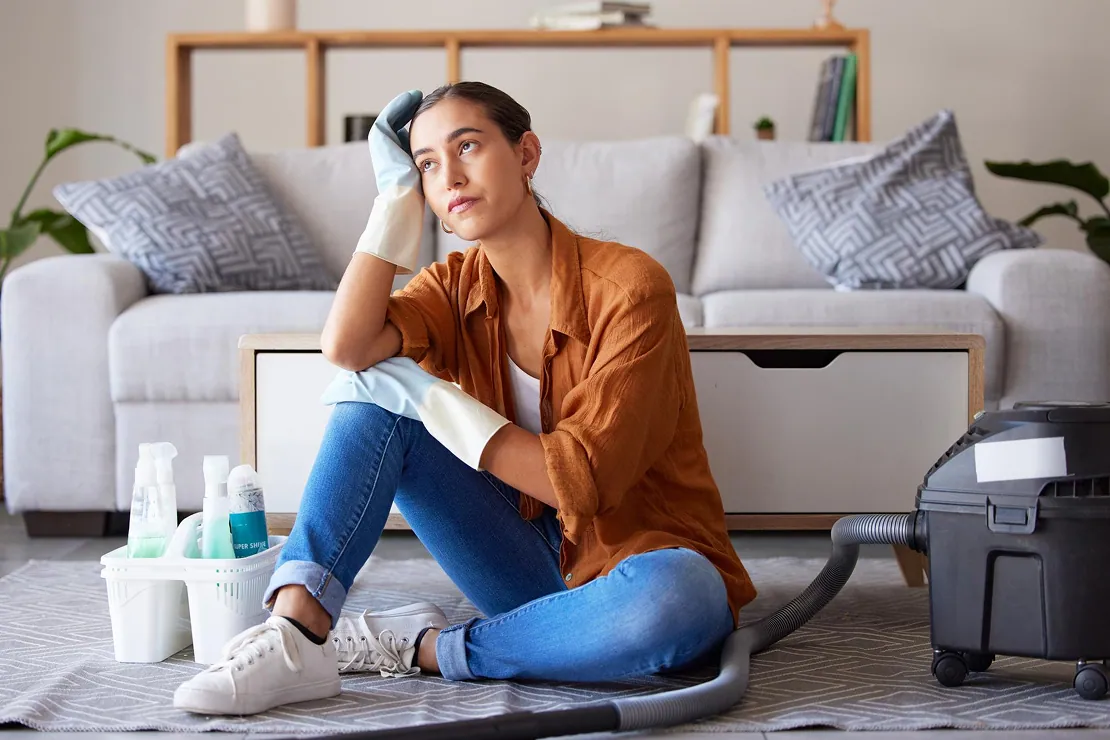
Table of Content
The Hidden Workout in Your Housework
When it comes to burning calories, most people immediately think of gym sessions or morning jogs. However, there's a surprisingly effective workout hiding in plain sight: your daily household chores. With the rising interest in "calorie-burning chores," more people are discovering that keeping their home clean can also help keep them fit. This shift in perspective is especially valuable for those who struggle to carve out dedicated gym time, since it reframes an unavoidable task as a legitimate contributor to daily activity levels rather than just a box to check off.
In this guide, we'll break down exactly how many calories you burn during various cleaning activities, walk through hour-by-hour estimates, and show you practical ways to turn your regular cleaning routine into a more effective workout session.
Calories Burned Cleaning: The Complete Breakdown
The number of calories you burn while cleaning depends on several key factors, and understanding them helps you get more out of the time you're already spending on chores. Your body weight, cleaning style, and the intensity of your movements all play a real role in determining total energy expenditure during household tasks.
- Body Weight
Higher weight = more calories burnedEvery 10 pounds difference affects calorie burn by ~10%Calculate: (Your weight / 150) × listed calories
- Cleaning Intensity
Vigorous vs. light cleaning activitiesHeart rate increase indicates intensity levelAim for moderate intensity: able to talk but not sing
- Duration
Longer sessions burn more caloriesOptimal cleaning intervals: 20-30 minutesInclude short breaks to maintain intensity
- Movement Type
Standing vs. bending vs. climbing stairsDynamic movements burn 30-50% more caloriesIncorporate full range of motion when possible
- Age and Fitness Level
Affects base metabolic rateInfluences recovery between tasksConsider personal limitations and pace accordingly
| Time Period | Average Calories Burned | Equivalent Exercise | Intensity Level |
|---|---|---|---|
| 1 Hour | 150-200 calories | 30-minute brisk walk | Light to Moderate |
| 2 Hours | 300-400 calories | 1-hour yoga session | Moderate |
| 3 Hours | 450-600 calories | 45-minute jogging | Moderate to High |
Calorie Burn by Cleaning Activity
Different cleaning tasks engage different muscle groups and demand different levels of energy, so not all chores are created equal from a calorie-burning standpoint. The intensity and technique you use can meaningfully change the numbers, and combining tasks strategically can create something close to a full-body workout while you get your house in order. For example, alternating between a high-effort task like scrubbing and a lighter one like folding laundry can help you sustain a higher average intensity across a longer session without burning out too quickly.
| Cleaning Activity | Calories/30 min | Primary Muscles Used | Intensity Level | Movement Pattern |
|---|---|---|---|---|
| Mopping Floors | 100-150 | Core, arms, legs | Moderate | Push-pull, walking |
| Scrubbing Bathroom | 120-170 | Upper body, core | High | Circular, reaching |
| Doing Laundry | 70-100 | Arms, legs | Light | Lifting, bending |
| Sweeping & Vacuuming | 90-130 | Full body | Moderate | Walking, pushing |
| Washing Dishes | 60-80 | Arms, core | Light | Standing, reaching |
| Window Cleaning | 100-150 | Arms, shoulders | Moderate | Reaching, circular |
| Making Beds | 70-90 | Core, arms | Light | Bending, stretching |
High-Calorie Household Chores
Some household tasks are simply more physically demanding than others, and if you're trying to maximize the fitness payoff of cleaning, these are worth prioritizing. Here are the top calorie-burning cleaning activities, ranked by effectiveness:
- Scrubbing Floors
Up to 170 calories per 30 minutes
- Cleaning Bathroom
Up to 170 calories per 30 minutes
- Vacuuming Stairs
Up to 160 calories per 30 minutes
- Window Washing
Up to 150 calories per 30 minutes
- Carrying Laundry Upstairs
Up to 140 calories per 30 minutes
Cleaning vs. Traditional Exercise
While cleaning shouldn't completely replace your regular workout routine, it's still a legitimate form of physical activity worth counting. Comparing cleaning to traditional exercise gets easier with the metabolic equivalent (MET) value, a standardized way to measure how much energy an activity demands. One MET equals the energy used while sitting quietly, and the higher an activity's MET value climbs, the more calories it burns per minute. This makes MET values a handy, apples-to-apples way to slot cleaning tasks into your overall weekly activity budget alongside more traditional workouts.
| Activity | MET Value | Calories/Hour* | Cardiovascular Benefit | Muscle Engagement |
|---|---|---|---|---|
| Light Cleaning | 2.3 | 120-150 | Minimal | Low-Moderate |
| Vigorous Cleaning | 3.5 | 180-250 | Moderate | Moderate |
| Walking (3.5 mph) | 3.5 | 180-250 | Moderate | Low |
| Light Yoga | 2.5 | 130-180 | Low | Moderate |
| Swimming (leisure) | 6.0 | 300-400 | High | High |
| Strength Training | 3.5-8.0 | 180-400 | Moderate | High |
*Based on a 150-pound person
A few additional factors are worth weighing when you compare cleaning to a structured workout:
- Movement Variability
Cleaning involves diverse, functional movementsNatural variation reduces repetitive strainEngages multiple muscle groups simultaneously
- Intensity Control
Exercise offers better control over effort levelCleaning intensity varies by task and methodHeart rate may fluctuate more during cleaning
- Duration and Consistency
Cleaning sessions often last longer than workoutsRegular household maintenance ensures frequent activityCan be combined with structured exercise program
- Progressive Overload
Traditional exercise better for systematic progressionCleaning resistance limited by task requirementsMay plateau in terms of fitness benefits
Maximizing Your Cleaning Workout
A few simple tweaks can turn an ordinary cleaning session into a noticeably more effective workout without adding any extra time to your day:
- Wear a Fitness Tracker
Monitor actual calories burned and heart rate
- Add Exercise Moves
Incorporate lunges while vacuuming, squats while loading laundry
- Increase Intensity
Use heavier cleaning tools, work at a brisker pace
- Take the Stairs
Multiple trips for added cardio benefit
- Engage Core Muscles
Maintain proper posture throughout activities
Cleaning vs. Gym: The Comparison
To put things in perspective, here's how a 2-hour cleaning session stacks up against a typical 30-minute gym workout:
| Aspect | 2-Hour Cleaning | 30-Min Gym Session |
|---|---|---|
| Calories Burned | 300-400 | 200-300 |
| Muscle Groups | Full body, varied | Targeted, specific |
| Intensity Control | Limited | High |
| Additional Benefits | Clean home, practical results | Structured exercise, measurable progress |
Frequently Asked Questions
How many calories do you burn cleaning the house for 1 hour?
- Your body weight and metabolism
- Intensity of cleaning activities
- Types of tasks performed
- Continuous vs. intermittent movement
What type of cleaning burns the most calories?
- Scrubbing floors (170 calories/30 min)
- Deep cleaning bathrooms (170 calories/30 min)
- Vacuuming stairs (160 calories/30 min)
- Window washing (150 calories/30 min)
Is cleaning good enough to replace a workout?
- Intensity is less controllable
- Resistance training is limited
- Cardiovascular benefits may be inconsistent
- Progress is harder to track and measure
Do light chores like folding laundry burn calories?
- Folding laundry: 70-80 calories/hour
- Standing activities burn more than sitting
- Adding movement increases calorie burn
- Every activity contributes to daily energy expenditure
Can cleaning help with weight loss?
- Increased NEAT (Non-Exercise Activity Thermogenesis)
- Additional daily calorie burn
- Consistent physical activity
- Combined with proper diet for best results
How can I track calories burned while cleaning?
Which burns more calories, cleaning or a brisk walk?
The Bottom Line
House cleaning is a legitimate form of physical activity that adds up to a meaningful chunk of your daily calorie burn, especially once you look at it across a full week rather than a single session. It shouldn't replace structured exercise entirely, since it offers less control over intensity and limited resistance training, but the calories you burn scrubbing, vacuuming, and mopping genuinely count toward your overall fitness and weight management goals.
To get the most out of it, focus on keeping a brisk pace, using proper form to protect your back and joints, and layering in extra movements like lunges or stair trips where it makes sense. Logging your cleaning sessions alongside your regular workouts in a fitness app or tracker gives you a much more complete, and often more encouraging, picture of just how active your day really is.
"The key to successful weight management isn't always about dedicated workout sessions—it's about finding opportunities for movement in your daily activities. House cleaning provides an excellent opportunity to combine practical necessity with physical activity."
Related Articles

How Many Calories Do You Burn Walking or Running 3 KM?
Discover the exact calories burned walking vs running 3 km, learn which is better for weight loss, and get expert tips for maximizing your calorie burn. Compare walking and running benefits for heart health and fat loss.

Do All Calories Matter Equally? AI Helps You Focus on Nutrient Density
Explore the debate: are all calories truly equal for your health and weight goals? Discover how AI-powered tools can help you shift your focus from mere calorie counting to prioritizing nutrient density for optimal well-being.
Is Peanut Butter and Banana a Good Meal? The Full Nutritional Breakdown
Peanut butter and banana is a classic combo loved by everyone from Elvis to elite athletes, but does it actually hold up as a real meal? We break down the macros, benefits, and drawbacks of this sweet-and-savory pairing.
Start Your Health Journey Today
Download Macro Tracking AI and take control of your nutrition with the power of artificial intelligence.